Botox is the most commonly used method in non-surgical aesthetic procedures. Botox (Botulinum Toxin) is a toxin derived from the bacterium Clostridium botulinum. This bacterial toxin has been used safely for many years in various branches of medicine. When injected into a muscle, it temporarily disables that muscle—meaning the targeted muscles are unable to contract for a period of time. Because of this property, Botox has become widely used in the treatment of facial wrinkles.
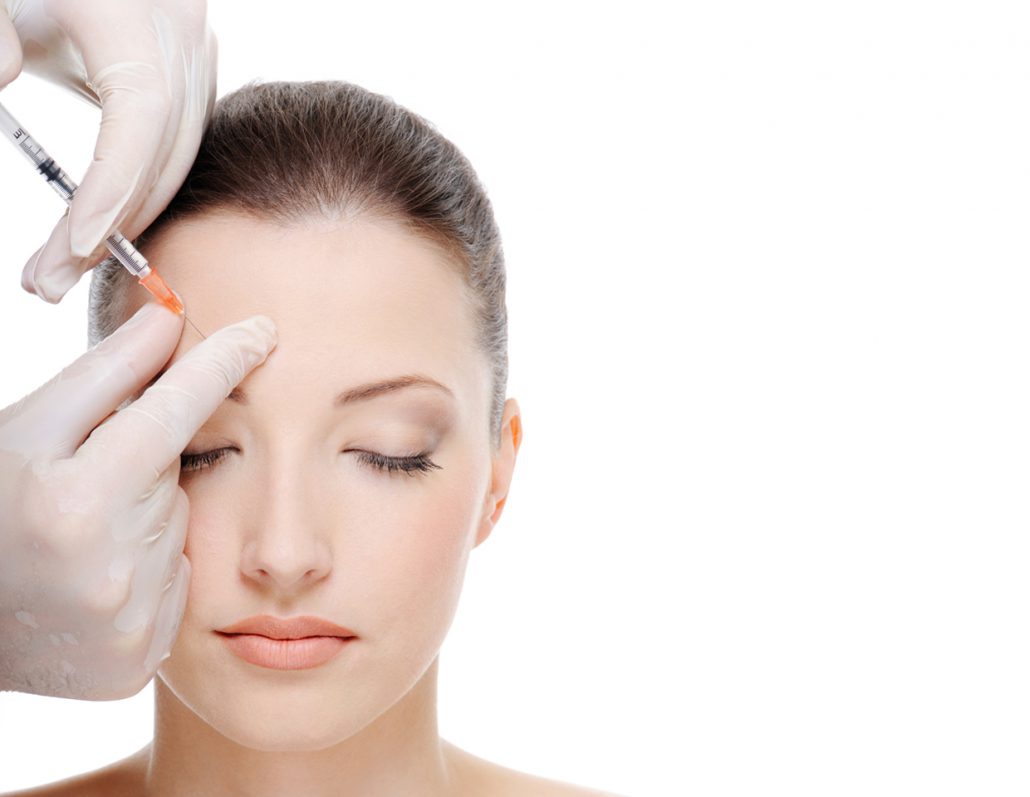
The procedure is not very painful and is completed in a short time. During treatment, an anesthetic cream is applied to the wrinkle areas. Once the area is numb, Botox is injected into the targeted muscles.
The effects of Botox last approximately 4 to 6 months, and during this period, because the facial muscles are not used as actively, the skin appears smoother, brighter, and less wrinkled. Botox is most commonly used on the upper face—specifically for vertical frown lines between the eyebrows, horizontal forehead lines, and crow’s feet wrinkles around the eyes.
The effect of Botox typically becomes noticeable within 3 to 10 days. A follow-up appointment is recommended around the 10th day. If the dosage applied to certain muscles is insufficient, small touch-ups can be performed to perfect the results.
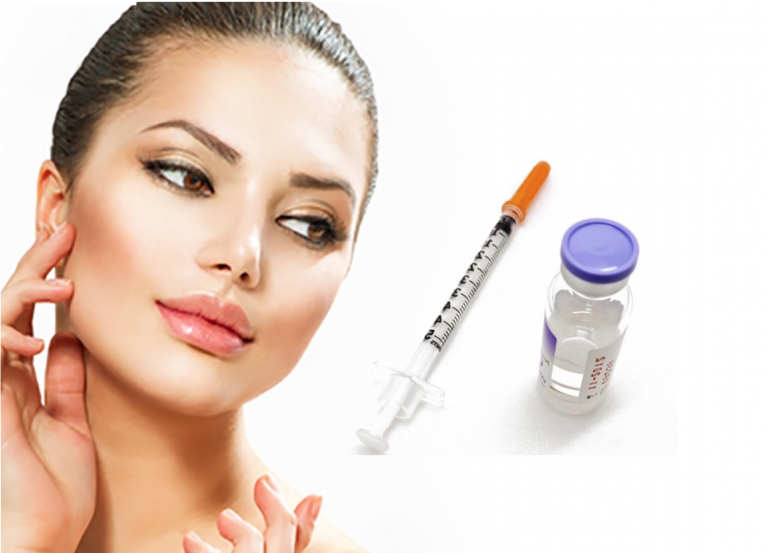
In individuals who receive regular Botox injections every six months, a noticeable reduction in wrinkles can be observed even after the effects of Botox have worn off. This is because certain facial expressions and mimic muscles are no longer used as intensely, allowing the skin to remain smoother over time.
Botox treatment is generally not recommended for individuals with certain rare neuromuscular disorders. Botox must always be administered by a qualified physician. Otherwise, the application may result in both medical and legal consequences. Because dermatologists and plastic surgeons have a more precise understanding of facial anatomy, muscle structure, and skin characteristics, it is strongly advised that the procedure be performed by one of these specialists.
Since the toxin is injected in very small amounts, the treatment is considered safe, and side effects are minimal. About half of patients experience a mild burning sensation during the injections. Occasionally, bruising may occur at the injection site, particularly in individuals taking aspirin. Other possible side effects include drooping of the eyelids or eyebrows. Eyelid drooping occurs in approximately 1% of cases and typically resolves within about four weeks.
Botox Treatment for Excessive Sweating
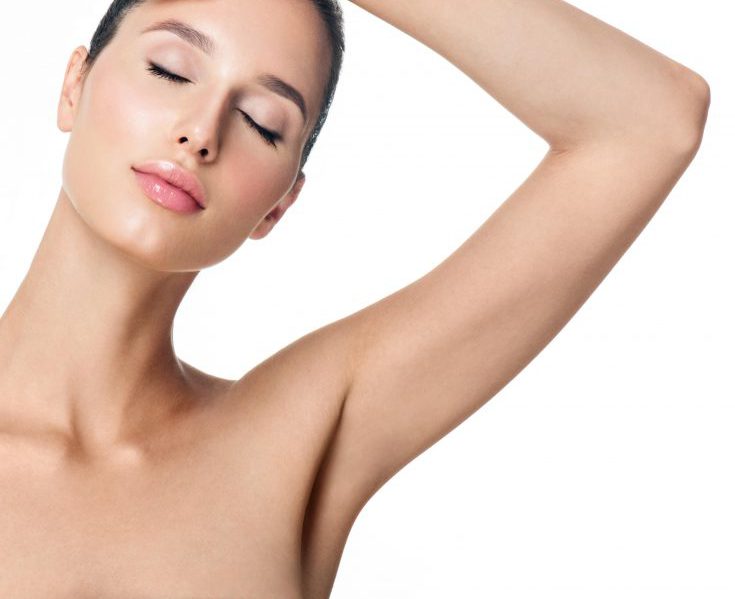
Another important use of Botox is in the treatment of excessive sweating (hyperhidrosis). In some individuals, excessive perspiration—particularly in the underarms, palms, and soles of the feet—can be effectively treated with Botox injections.
Because the method is practical, minimally invasive, and provides long-lasting results (typically 6–10 months), Botox has become the most preferred non-surgical solution for hyperhidrosis. The procedure is virtually painless and does not cause significant discomfort.
Patients who undergo this treatment are able to overcome the challenges of excessive sweating and afterward can comfortably wear any color or type of clothing they desire.