Breast Lift (Mastopexy)
Over the years, factors such as pregnancy, breastfeeding, and gravity cause the breasts to sag. As the skin loses elasticity, the breasts also lose their shape. Mastopexy is a procedure performed to lift and reshape sagging breasts. During mastopexy, the areola can also be reduced in size. If the breast tissue is insufficient or the breasts lack volume, a breast implant may be placed simultaneously with the lift. This combination provides both fullness and a more aesthetically pleasing breast shape.
The ideal candidates for mastopexy are women with small, sagging breasts.
Mastopexy is not a simple operation, but when performed by skilled hands, it is a safe procedure. Bleeding and infection are rare; however, widening of scars cannot always be prevented. Mastopexy leaves noticeable and permanent scars, although these can be concealed under a bra or swimsuit (poor healing and wide scars are more common in smokers). The procedure may also result in asymmetry of the nipples or temporary—or rarely permanent—loss of sensation.
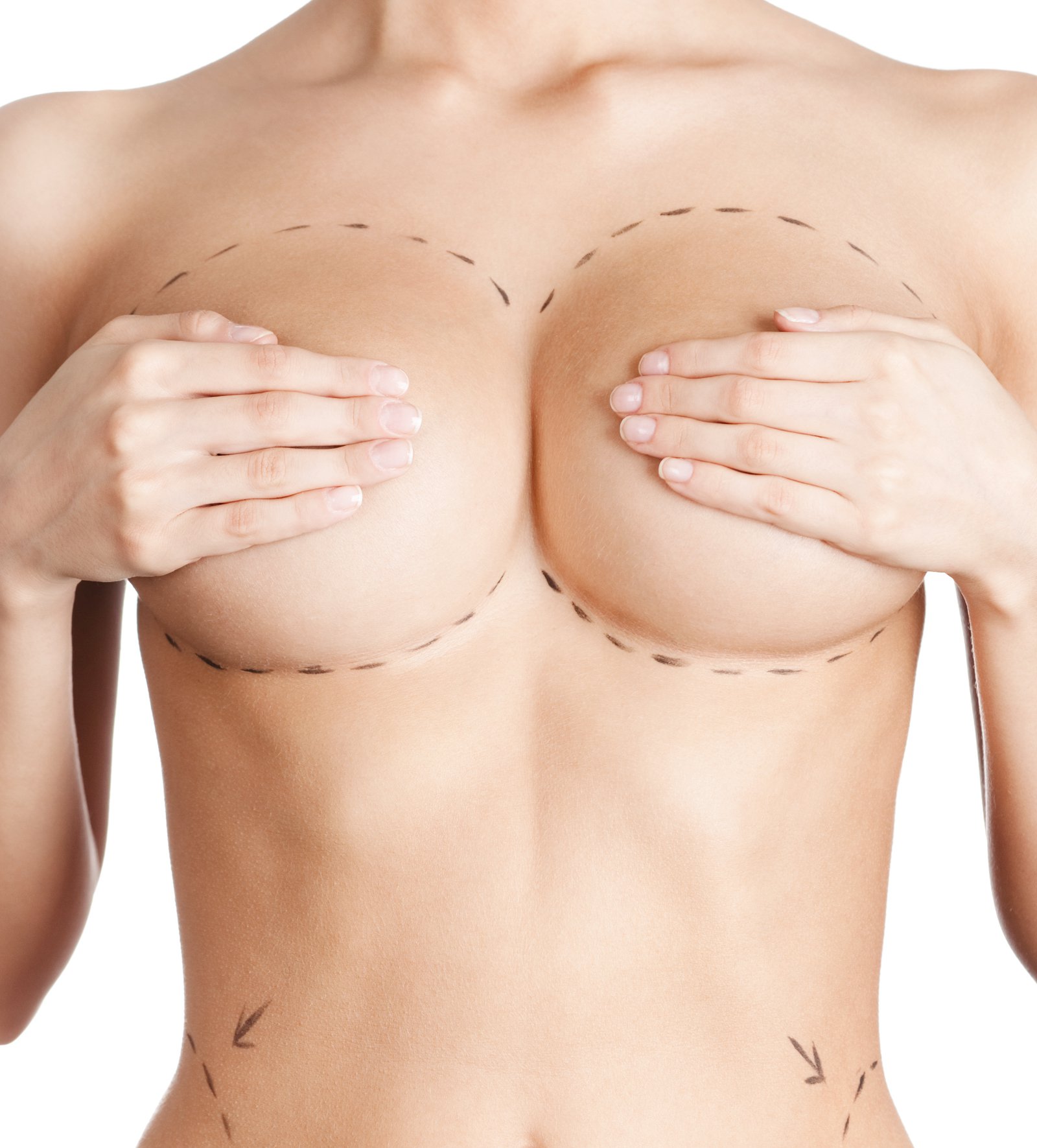
Before mastopexy, a mammogram and breast ultrasound should be performed to evaluate breast tissue. Smoking poses significant risks during surgery. The procedure is performed under general anesthesia in a hospital and usually lasts 2–4 hours. While techniques vary, the most common approach involves an inverted-T incision.
The incision pattern determines the amount of tissue to be removed and the new position of the nipple. When excess skin is removed, the nipple is repositioned higher on the breast. The incision lines are then closed. Patients with smaller breasts and minimal sagging may be candidates for modified procedures with smaller incisions. In such cases, a circular incision around the areola is used to remove excess tissue before closing the area.
If a breast implant is added to the lift procedure, the implant is placed either directly under the breast tissue or into a pocket beneath the pectoral muscle.
After surgery, elastic bandages or a surgical bra are applied. The breasts remain swollen and somewhat uncomfortable for a few days, but severe pain is uncommon. All discomfort can be managed with appropriate medical treatment.
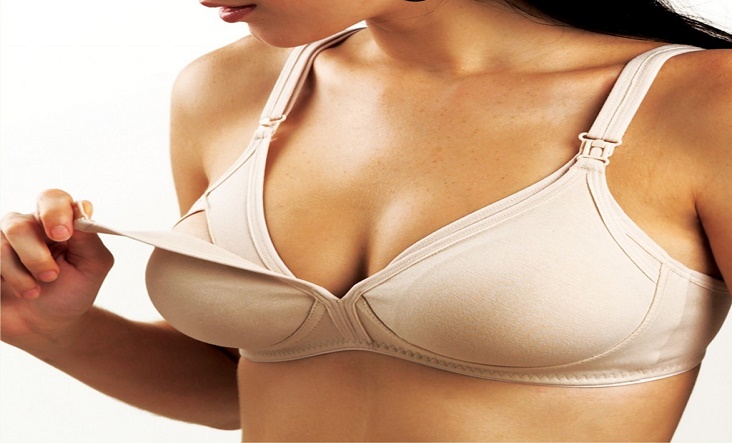
After a few days, the elastic bandages or surgical bra are removed, and a supportive bra is worn for 3–4 weeks. Sutures are usually removed after 1–2 weeks.
Postoperatively, patients may experience swelling and numbness of the breasts. This sensation generally decreases within six weeks. In some cases, it may last up to one year or even become permanent.
Healing takes time. Although patients may stand and walk within a few days, returning to normal daily activities may take several weeks. It is important to remember that mastopexy results in permanent and visible scars. These scars may appear raised and red for several months but gradually fade and become paler with time.