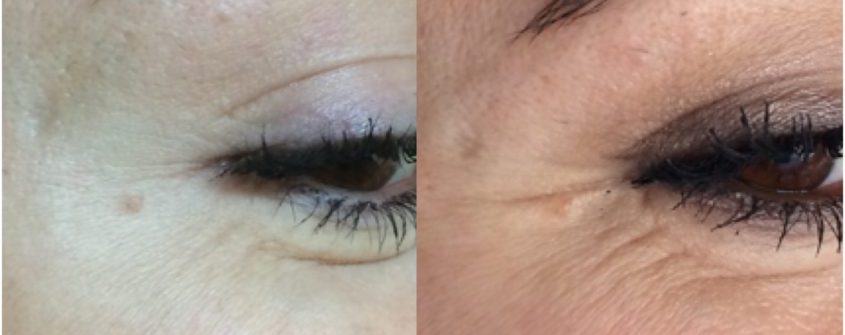
With aging, years of facial expressions, exposure to sunlight, and the effects of gravity gradually lead to a decrease in elastic fibers, collagen, fat tissue, and hyaluronic acid in the skin. As a result, wrinkles and sagging appear, and the texture of the facial skin changes. Deep lines form on the face, and fine wrinkles develop around the outer corners of the eyes.
One of the medical methods used to eliminate age-related wrinkles and unwanted lines, as well as to contour and reshape the face, is dermal fillers. These fillers—made of substances naturally found in the skin but diminished over time—are injected into the skin or subcutaneous tissue to treat fine and deep wrinkles, improve the appearance of scars, correct skin depressions, plump thin lips, and add volume to the cheeks.
Following dermal filler treatment, a more youthful appearance can be achieved in a short time. In addition, fillers can help eliminate the tired or fatigued expression often seen on the face.


Dermal fillers can be classified as permanent, semi-permanent, and temporary:
I) Permanent fillers:
These provide long-lasting results that persist for more than two years, and in some cases, do not disappear at all. Silicone is a common example of a permanent filler.
II) Semi-permanent fillers:
These fillers typically last between 1–2 years. Calcium hydroxylapatite and poly-L-lactic acid are examples of fillers in this category.
III) Temporary fillers:
These products last less than one year and are naturally broken down and eliminated by normal cellular processes. Collagen and hyaluronic acid are the most commonly used temporary fillers.
Hyaluronic Acid
Hyaluronic acid, one of the most widely used substances for dermal filling, is naturally present in the skin, muscles, skeletal system, umbilical cord, blood, and lymphatic system. The hyaluronic acid used in dermal fillers is not animal-derived, meaning it carries no risk of transmitting animal-related diseases (such as mad cow disease). Since it is a substance already found in the human body, the risk of allergic reaction is extremely low.
Hyaluronic acid is a polysaccharide that provides volume and hydration to the skin. It has a sticky, gel-like, and elastic consistency. Produced in an injectable form to correct wrinkles and restore facial volume, it is currently one of the safest and most commonly used filler substances in aesthetic medicine.
The procedure is extremely practical and can be completed within 15–30 minutes. Because the treatment is not painful, it does not require local or general anesthesia. However, topical anesthetic creams may be applied beforehand if the patient prefers.
The injections are administered into the dermis layer of the skin using very fine needles. It is crucial that the product is placed within the correct layers of the skin; if injected too deeply, into the subcutaneous tissue, the desired results may not be achieved.
The treatment does not interfere with daily or social activities. Results are immediate, and there is no need to wait to see the effect.
Since hyaluronic acid is a substance naturally found in the body, allergic reactions are not expected. In rare cases, mild swelling or redness may occur after the procedure. Minor bruising may also appear, but it is usually light enough to be easily concealed with makeup. Allergic reactions are extremely uncommon. Some patients may experience temporary redness, itching, or firmness at the injection site.
Hyaluronic acid facial fillers are often used as an alternative to surgical aesthetic procedures. Hyaluronic acid is considered very safe and does not require any allergy testing prior to treatment.