Mesotherapy / Mesolift
Mesotherapy is a treatment method that stimulates the mesodermal layer of the skin using specially formulated substances that support the healing and repair of the skin and subcutaneous tissues. These substances are delivered through fine, short needles. Mesotherapy is also a highly effective and safe treatment used in various medical and aesthetic conditions—including certain illnesses, pain management, wound healing, and scar treatment.
Before undergoing mesotherapy, patients should pay attention to their nutrition. For example, foods high in protein, alcohol, caffeine, and medications used for colds and flu should be avoided prior to treatment.
The effects of mesotherapy vary depending on the area treated. For instance, when applied to under-eye bags, visible improvement can be observed from the very first session. However, when used for cellulite reduction or localized fat reduction, approximately 5–7 sessions may be needed to achieve noticeable results.
Mesotherapy is widely used both for health-related concerns and aesthetic improvement in many different areas.
-
Mesotherapy can be applied effectively in the following conditions:
-
Treatment of joint pain, early-stage cervical and lumbar disc herniation
-
Treatment of sports injuries
-
Treatment of cellulite and varicose veins
-
Localized fat reduction
-
Prevention of hair loss
-
Treatment of scars and stretch marks
-
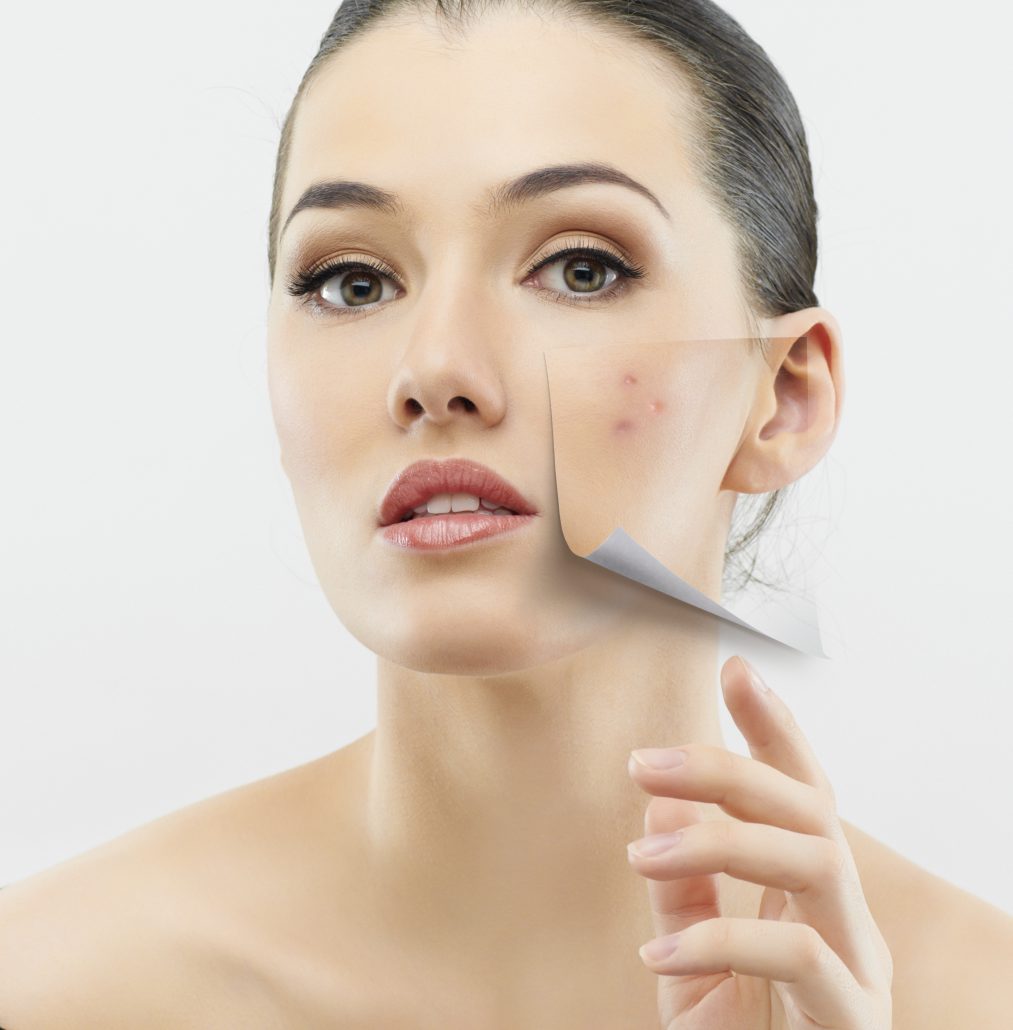
Prevention of skin aging
The success of mesotherapy treatment depends on the area being treated and the duration of the treatment plan. For effective cellulite management, treatment should be repeated at least six times per year.
Mesotherapy can generally be applied to anyone between the ages of 16 and 75, provided they are in good overall health.
Mesolift—a specialized form of mesotherapy aimed at wrinkle reduction—provides both anti-aging benefits and correction of existing wrinkles. Although the use of very fine needles may suggest a degree of discomfort, the procedure is performed quickly, and the sensation is minimal for most patients.
A typical mesolift protocol may consist of 4–6 sessions once per year. The frequency of sessions varies depending on individual needs:
-
Treatment may begin with 2 or 3 sessions spaced 10–15 days apart,
-
followed by monthly sessions until a total of 6 sessions is completed,
-
or it may be performed as a single session every 1–2 months.
-
Hair Mesotherapy
Excellent results can be achieved with hair mesotherapy in cases of non-scarring (non-permanent) hair loss. Before starting treatment, a detailed examination of the hair and scalp, along with laboratory tests, is performed to determine the underlying cause of hair loss.
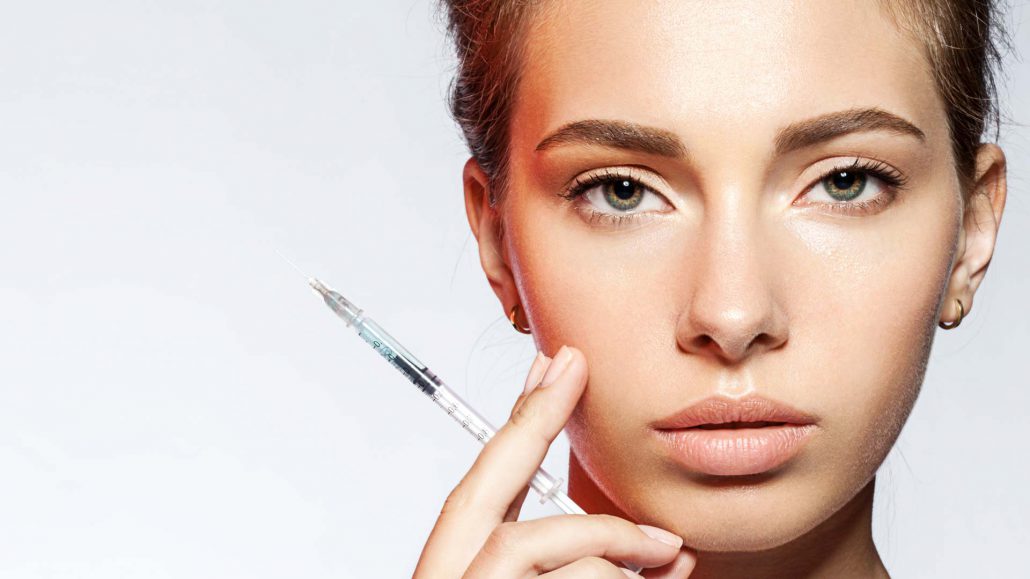
Hair mesotherapy for hair shedding is typically planned as 3–6 sessions, performed once every three weeks. In later stages of the treatment, the intervals between sessions may be extended and the number of sessions increased depending on the patient’s response.

-
PRP (Stem Cell–Stimulating) Therapy
PRP (Platelet-Rich Plasma) treatment involves drawing a small amount of the patient’s own blood, processing it through a specialized procedure to separate its components, and reinjecting the platelet-rich plasma, which is highly concentrated with growth factors, back into the skin.
PRP works by stimulating and activating stem cells in the treated area, helping the tissues regenerate. It can be used to improve fine lines and wrinkles, correct volume loss, restore elasticity and radiance to the skin, and treat hair loss—either alone or in combination with other therapies.
The procedure takes approximately 30 minutes. Immediately after treatment, the skin appears healthier and more radiant. After 3–4 sessions, a noticeable and lasting rejuvenation effect becomes visible. When performed every 10–12 months following an initial course of 3–4 sessions at 15–30 day intervals, the results are equivalent to a long-term skin rejuvenation treatment. Aside from mild discomfort, the procedure does not cause significant pain.
PRP therapy utilizes platelets as the primary factor that triggers and accelerates the repair of damaged tissue. During the procedure, 10–20 ml of blood is drawn from the patient and centrifuged to isolate the platelets. These concentrated platelets collect within a special tube, forming the PRP product. This PRP is then injected into the skin using methods similar to dermal fillers or mesotherapy.
The PRP treatment process is a procedure that takes approximately 10 minutes.
PRP can be administered into the skin either through mesotherapy or filler techniques (Meso-PRP), or it may also be applied with the help of a mask.
A positive effect appears immediately after treatment, presenting as a healthy glow on the skin. This radiance may diminish slightly afterward; however, after 3 or 4 sessions (one full treatment course), a noticeable and lasting rejuvenation becomes evident. To achieve optimal results, at least three injections spaced three weeks apart are recommended—depending on the degree of skin aging. Thereafter, repeating the treatment every 6–12 months helps maintain the results.
One of the most significant advantages of PRP therapy is that its rejuvenating effect is not limited to specific areas, as seen with fillers or similar procedures. Instead, PRP provides improvement over a broader surface of the skin and has a more long-lasting effect. While the results of other methods may diminish over time, the benefits of PRP are unique to the patient and do not simply disappear.
In this treatment, the patient receives a biological material (PRP) derived from their own blood. The purpose of the procedure is essentially to trigger and accelerate the body’s natural wound-healing process. Since the treatment uses the patient’s own cells, the risk of adverse effects is extremely low. Aside from mask application, PRP is administered via injection. The level of discomfort is no greater than that felt during routine blood collection.
Meso-PRP (PRP combined with mesotherapy) is typically applied just beneath the skin, while deeper injections may be required to add volume. Topical anesthetic creams are used to minimize discomfort during deeper applications.
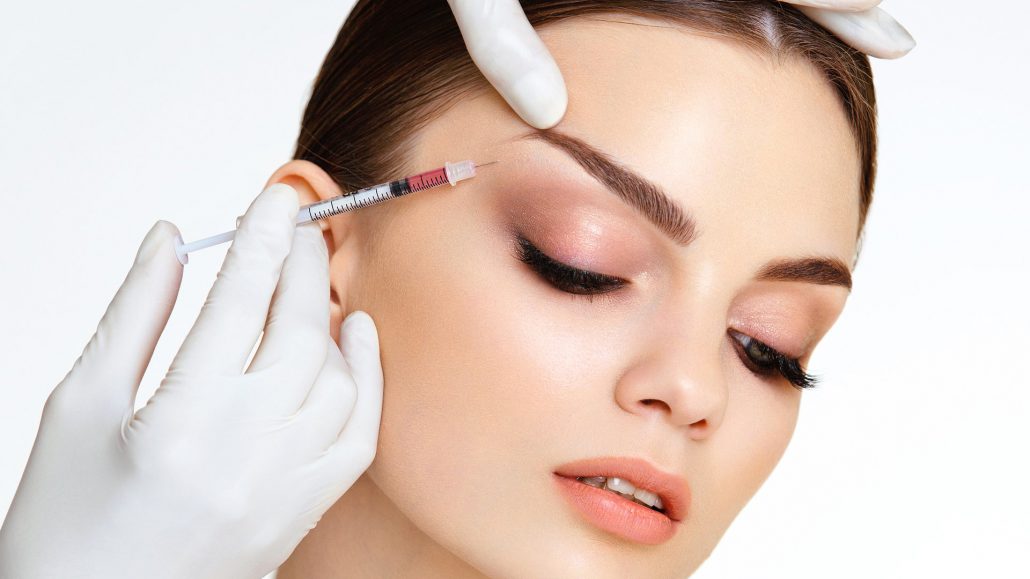
Cosmetic PRP applications offer a wide range of benefits and can meet many aesthetic expectations. This is because PRP provides long-lasting results and revitalizes the skin in the most natural way. It reconstructs and rejuvenates the skin, is easy and safe to apply, and supports not only new collagen formation but also the skin’s overall biological functions.
PRP reduces wrinkles and fine lines not by “filling” them, but by rejuvenating the skin itself. Although the healthy glow achieved after the first session may slightly decrease over time, repeated sessions help build up the cumulative rejuvenating effect.
When PRP treatment courses consisting of 3 or 4 sessions are repeated every 10–12 months, the rejuvenating results become long-lasting—almost comparable to a sustained anti-aging effect.
PRP Hair Treatment
There are several primary causes of hair loss and other disorders affecting the scalp. Before discussing these factors, it is important to understand how a healthy hair follicle functions and the scientific principles on which PRP Therapy is based.
For a hair follicle to remain healthy and continue its growth cycle, it must be nourished with the right biological components in sufficient amounts. Capillaries surrounding the hair follicles deliver essential regenerative substances through blood circulation. Unfortunately, today there are many factors that disrupt this nourishment. These factors can be categorized into personal and environmental causes.
Among personal factors are genetic predisposition, circulatory disorders, and aging. Environmental factors may include smoking, poor or unbalanced nutrition, and the use of harsh cosmetic products. All of these contribute to weakened hair follicles and reduced hair quality over time.
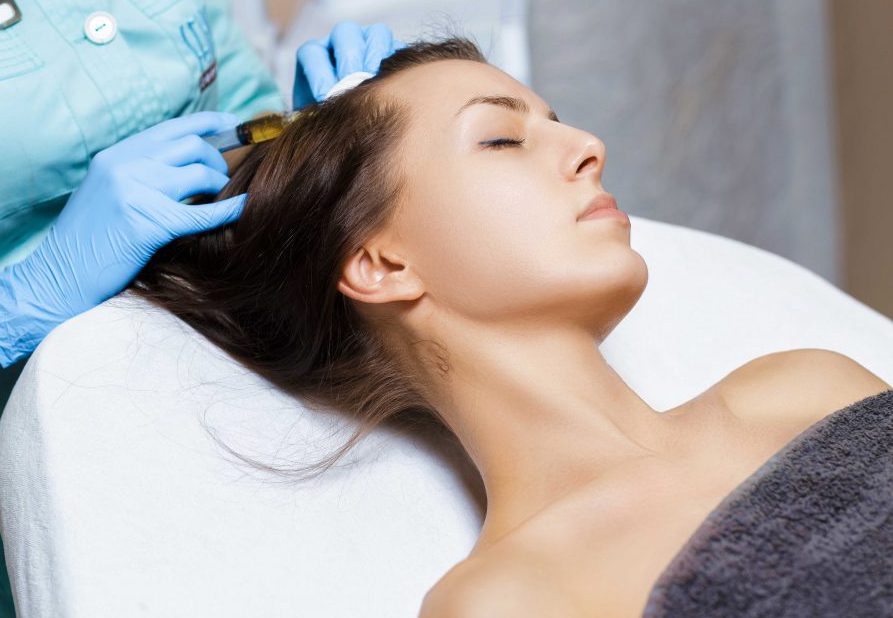
PRP Hair Treatment aims to eliminate problems such as hair loss, excessive oiliness, and dandruff caused by negative personal and environmental factors by transferring the body’s own natural healing components back into the scalp. The regenerative and restorative substances found in the blood—known as growth factors—are separated and injected into the scalp.
To obtain these components, approximately 10 cc of blood is drawn from the patient and placed into a centrifuge. As the device spins at high speed, it separates the blood into two key components:
-
PRP (Platelet-Rich Plasma)
-
PPP (Platelet-Poor Plasma)
The platelet-rich fraction contains exactly what weakened hair follicles need: new cellular regeneration, improved blood circulation, and enhanced nutritional support.
Through this regenerative mechanism, hair follicles that have slowed down or completely stopped functioning due to the factors mentioned above can be reactivated and revitalized.
The most significant advantage of PRP compared to other injectable treatments is that its effects begin to appear from the very first session. One of the indicators of a healthy scalp and strong hair is the noticeable reduction of hair loss. However, in genetically influenced hair loss, PRP also aims to delay the progression of hair thinning. For example, hair expected to be lost within two years may remain healthy for 8–10 years with PRP therapy.
Overall, clinical results show that PRP treatment provides highly satisfying and effective outcomes.