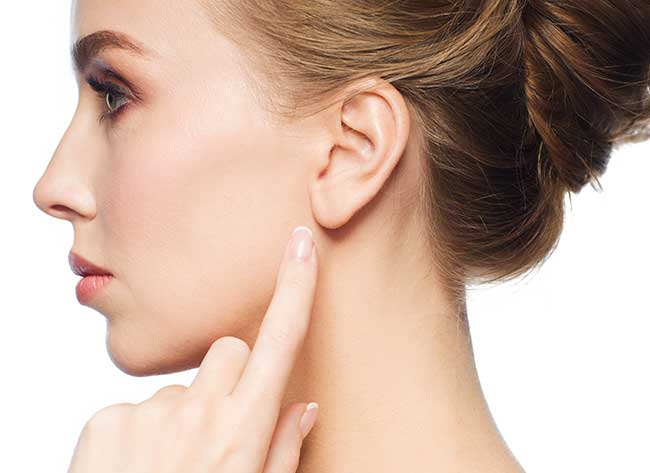
Correction of Prominent Ears (Otoplasty)
Otoplasty aims to correct the excessive outward angle of the ears, bringing them closer to the head, and if necessary, slightly reducing ear size—especially when the earlobes are excessively large.
In prominent ear deformity, the natural folds of the ear are absent, underdeveloped, or insufficiently formed, causing the ears to project further away from the head.
Otoplasty is typically performed around ages 5–6, when ear growth is nearly complete. However, adolescents, young adults, and adults also commonly seek treatment. While aesthetic concerns are the primary reason, many individuals pursue surgery due to social and practical challenges: men may avoid short hairstyles and grow their hair long to hide their ears, and women may struggle to make a bun or style their hair as they wish.
In adults, otoplasty is performed under local anesthesia, whereas general anesthesia is preferred for children.
The procedure takes approximately 1.5 hours. The duration may be longer if additional conditions are present, if different deformities accompany the problem, or if the patient has had previous ear surgery. Although surgical techniques vary depending on the specific ear abnormality, all otoplasty incisions are made behind the ear. Therefore, no visible scars are present on the front surface of the ear, and the incision is not noticeable to others.
After otoplasty, a pressure bandage is applied and removed after 3–4 days. Once removed, a tennis-style headband is recommended, especially for nighttime use. Wearing the headband during the day can further help maintain the ear’s new position.
Sutures are usually absorbable and disappear within about a week. The ears will remain swollen for approximately 7–10 days postoperatively. Most adults can return to work within 5–7 days. Children can typically return to school after about one week but must be cautious with physical activities.